






How it runs · Stage 04 · Run
We stay until the old way is gone, then keep it running
Every build we deliver, and systems built by others that need a team on call.
- Price
- Hypercare included; care plans from $1,000/month
- Time
- 60 days of hypercare, then monthly
- For
- Every build we deliver, and systems built by others that need a team on call.
- You own
- The running system, at every stage
In short
Run is everything after go-live. Hypercare, included with every build for sixty days, means a daily view of adoption, fixes within the day and the old process retired only when the new one has stuck. It extends free until the agreed usage threshold is met. After that, a care plan from $1,000 a month covers monitoring, support and small changes. You can cancel at any month end and keep the system.
How it runs
Step by step.
- 1Days 1 to 30
Hypercare. A daily adoption view shared with your owner: who is using the system, what failed, what was fixed. The old way runs alongside until the numbers say it can stop.
- 2Days 31 to 60
The old process is retired. Exceptions are reviewed weekly and the system adjusted. Training repeated for anyone who missed it.
- 3Threshold
If the agreed usage threshold is not met by day 60, hypercare continues free until it is.
- 4Care plan
Monitoring and alerts, support with a response time, small changes each month, and a quarterly review of what to extend next.
What you get
- Daily adoption view during hypercare
- Monitoring, alerts and automatic retries, with a person on call
- A monthly allowance of small changes
- Quarterly review and roadmap
- Pass-through platform and model costs, itemised
How we know it is done
- The agreed usage threshold is met and the old process is retired
- Support response times are met every month, reported in writing
- Every change is documented and versioned
What you own
- The running system, at every stage
- All monitoring and alert configuration
- Every change, documented
- The right to cancel at any month end
of project clients convert to a retainer when a 60-day support window follows go-live
Source: Betonai operator survey, 2026Proof
Customer stories.
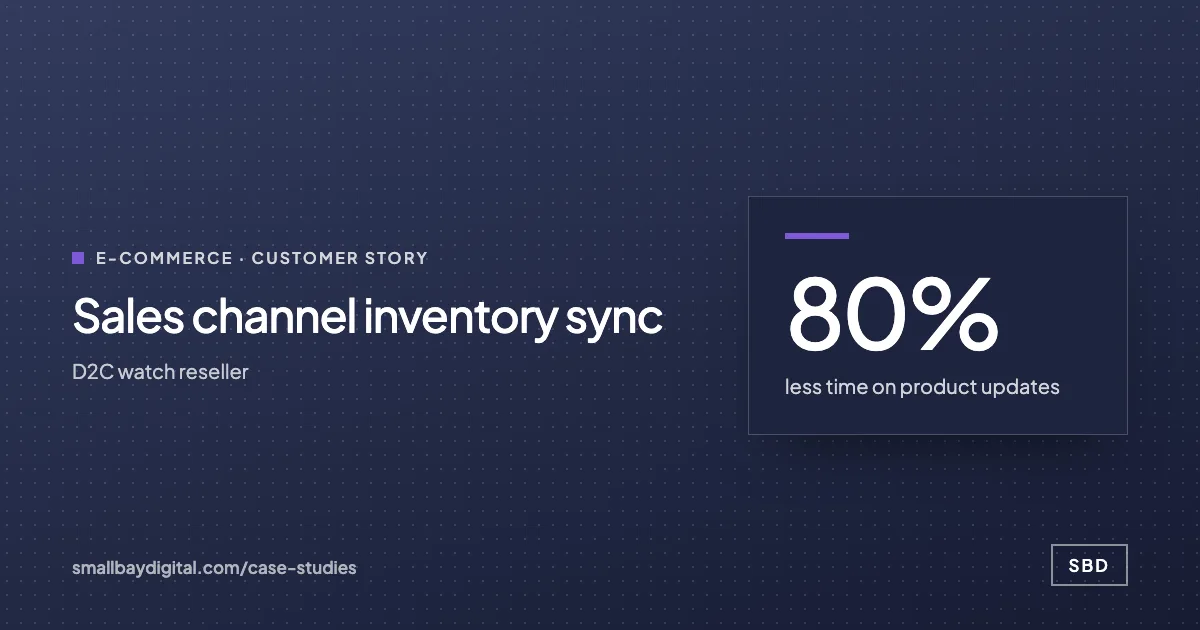
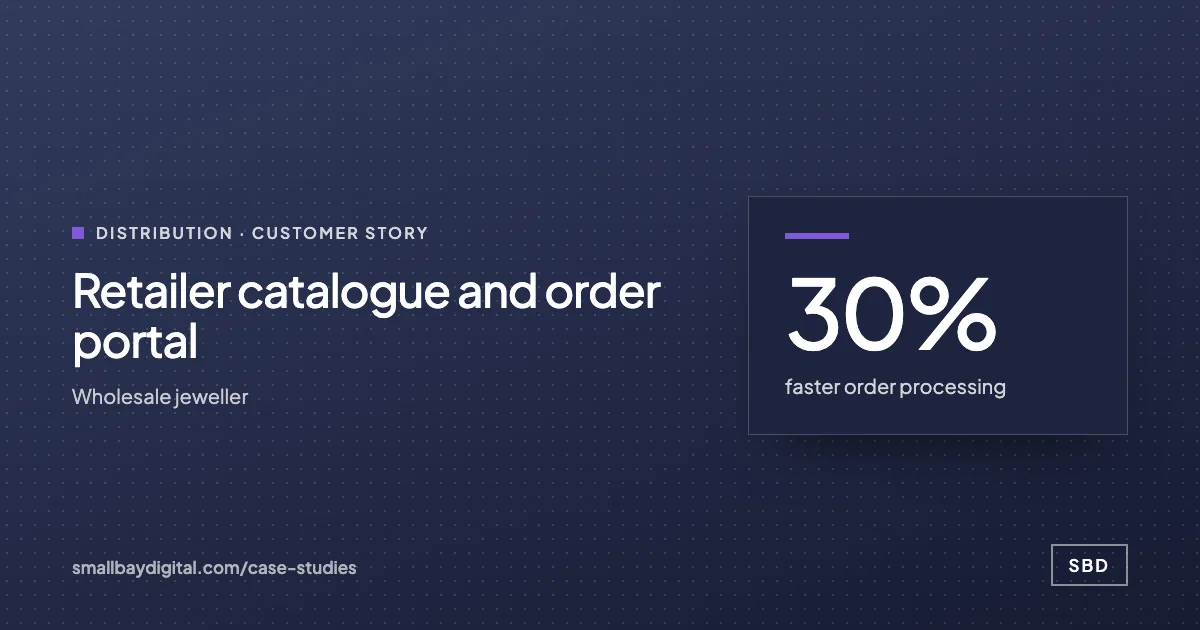
“Delivery is not the finish line. Adoption is. We measure it daily during hypercare and we do not leave until the number is met.”
How it starts
Every project starts with an audit.
One to two weeks with the people who do the work. A costed blueprint in order of payback. The $500 is credited in full to the build.
- Audit1 to 2 weeks. $500, credited to your build.
- BlueprintIncluded in the audit’s second week. Included with the Audit; quoted separately for multi-phase programmes.
- Build2 to 8 weeks. From $2,500 one-time; most builds $5,000 to $15,000.
- Run60 days of hypercare, then monthly. Hypercare included; care plans from $1,000/month.
Questions
What people ask about running and care plans.
What counts as the adoption threshold?
A number agreed in the statement of work before build starts, in the client’s own terms: for example, 90% of orders entered through the new system for two consecutive weeks. It must be something we can measure and that depends on outputs we control.
What does a care plan include?
Monitoring and alerts on every automation, support with a stated response time, a monthly allowance of small changes, and a quarterly review. Larger extensions are quoted as fixed-price sprints.
Can you support a system someone else built?
Yes, after a short audit of it. The care plan then covers it like one of ours. Rescue work on broken or undocumented automations is priced as an audit first.
What if we cancel?
The system keeps running. It lives in your accounts with your documentation. Monitoring continues on whatever you choose to keep.
How and when do we pay?
Fixed-price work is invoiced in milestones: a deposit at kick-off, the balance at acceptance. Care plans are monthly in advance and cancel at any month end. Platform and model costs pass through at cost and are itemised.
The other stages
- How it runs
Audit
Teams of 1 to 1,000 people that know something is manual and expensive but not which fix to make first.
- How it runs
Blueprint
Teams that want to see the whole design, the cost and what they will own before committing to a build.
- How it runs
Build
Companies with a blueprint, or a clear problem, that want a system built fast and handed over complete.
Related: Build, Extend, How we work
Stage 04 · Run
Talk to the people who would build it.
Thirty minutes. Bring the work your team still does by hand. You leave with a yes or no on fit and the first thing we would build.
Book the call