App builders
Retool developer: internal tools built, secured and kept running
SBD builds Retool apps for teams of 1 to 1,000 people: the queues, approvals and dashboards your staff work from, on top of the database and APIs you already have. Workflow automation builds start at $1,000 and internal tools at $3,000, with the fixed price set after a $500 Automation Audit that is credited to the build.
- Tool
- retool.com
- Usually paired with
- Supabase, Airtable, PostgreSQL, HubSpot
- Timeline
- Most builds live in 2 to 8 weeks
- Owned by
- You, with accounts, credentials and code in your name.
What we build on Retool
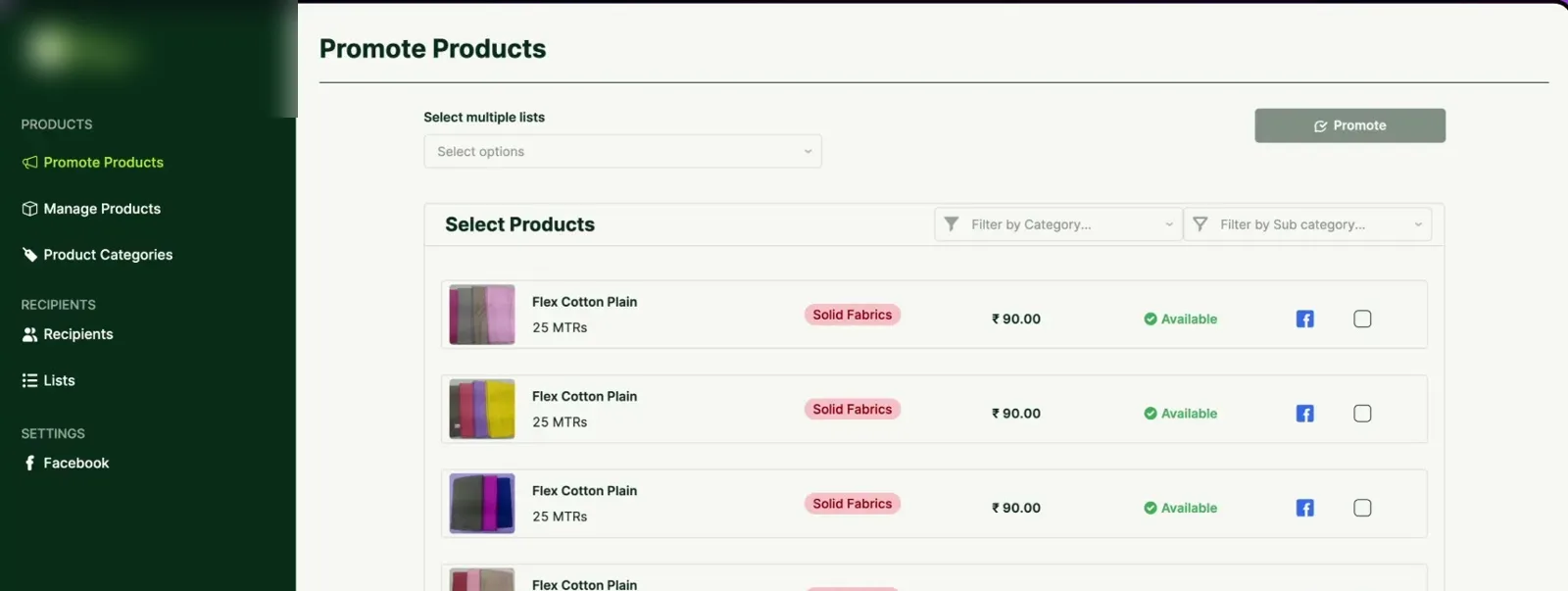
- Build the screens the team works from: queues, approvals, dashboards
- Put roles and permissions in front of data people should not edit raw
- Give field staff a simple app over a real database
- Replace spreadsheet-based processes with a tool
What we sync
Workflows we are asked for
- Retool order management on Supabase
- Retool approval queue on Airtable
- Retool dashboard for production data
- Retool field app with mobile layout
Full write-ups of Retool integrations
-

Airtable and Retool
Airtable is a good database with a limited interface. Retool adds the screens and permissions it lacks.
-

Retool and Supabase
Screens in Retool, data in a Postgres database you own and can expose safely.
-
Mailgun and Retool
Emailed requests become records your team can check and act on, in one internal tool.
-

OpenAI and Retool
AI does the reading and matching, and your team checks the results in one internal tool.
Tools Retool usually needs to talk to
-
Retool and Supabase
Postgres with auth, storage and APIs, and the database under most apps we build or rescue.
-
Retool and Airtable
A relational database with a spreadsheet face, used as the operations base for teams who have outgrown sheets.
-

Retool and PostgreSQL
The database under most serious systems, including Supabase.
-

Retool and HubSpot
The CRM and marketing platform most B2B teams of 10 to 1,000 run on.
What a Retool developer from SBD builds
Retool is one of several platforms we build internal tools on.
We reach for it when the users are your own staff, the job is mostly tables, forms and approvals, and the data already lives in a database or behind an API. We choose the platform after the audit, and we will tell you when a custom app or a simpler tool fits better.
Most Retool work starts with a spreadsheet that has become the system. We model the data properly, usually in Postgres or Supabase, then build the screens on top: an order queue with status changes, an approval step with a named owner, a dashboard that reads live data instead of last week's export. Writes go through queries we control, with validation, so nobody edits raw rows by accident.
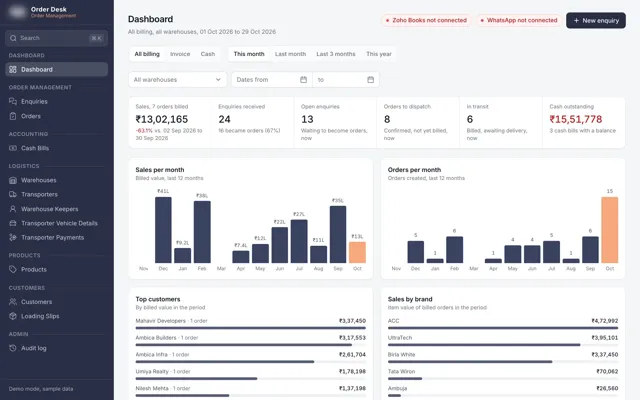
One published SBD project runs on Retool. For a building materials supplier we built an order and dispatch system covering enquiries, orders and dispatch, with invoices raised through the Zoho Books API, WhatsApp updates to each stakeholder and role-based views. Manual time from enquiry to invoice fell by 40%.
When Retool is the right choice, and when it is not
A good fit
Retool suits internal tools that need to be in use within a few weeks. It connects to databases and REST or GraphQL APIs directly, ships with tables, forms and charts that behave well with real data, and lets us drop into JavaScript or SQL where a component is not enough. Permissions are handled with users and groups, so a warehouse role and a finance role can see different screens over the same records.
We will steer you elsewhere when
- Customers or the public are the main users; a custom app gives you full control of design and per-user cost.
- The tool is a simple list or form; Airtable interfaces or Softr cost less and are easier to change in house.
- There is no real database underneath; we fix the data first, because a good front end on a messy sheet stays messy.
- Hundreds of occasional users need access; per-seat pricing can outgrow the cost of building it yourself.
Retool plans and what each kind of user costs
Retool prices per user, and it splits users by what they do in a billing cycle. A builder is anyone who built or edited an app or workflow that cycle; an internal user only used apps. External users are people outside your organisation, such as clients or partners. From Retool's pricing page in October 2026, cloud plans per user per month:
- Freeup to 5 users.
- Teambuilders $10 billed annually or $12 monthly; internal users $5 annually or $7 monthly.
- Businessbuilders $50 annually or $65 monthly; internal users $15 annually or $18 monthly. The first 50 external users are free, then priced by volume from $8 a user annually.
- Enterprisepriced on request, with unlimited external users.
How hiring a Retool agency like SBD works, and what it costs
- Step 1$500Automation AuditCredited to the build
- Step 2from$1,000Workflow automationFixed after the audit
- Step 3from$3,000Internal toolsFixed after the audit
- Step 4from$50Care planA month, after sixty days of hypercare
Every engagement starts with an Automation Audit at $500, credited in full to your build. For a Retool project that means mapping who uses the tool, who builds in it, and where the data lives, so the seat count and plan are known before you commit. Because only people who edit apps count as builders, we usually keep that group small and give everyone else internal access.
Workflow automation builds start at $1,000, internal tools at $3,000 and multi-module systems at $5,000, and the fixed price is set after the audit and agreed before work begins. A typical build covers the data model, the apps for each role, the integrations that feed them and the permissions. Work runs in two-week sprints with a working tool at every review, and sixty days of hypercare are included. Care plans then start at $50 a month for monitoring, support with a stated response time and small monthly changes. Nothing is billed by the hour; see the pricing page.
Your Retool subscription is paid by you, to Retool, from an organisation in your name.
What you own, and moving from spreadsheets to Retool
Everything below is in your name when the build ends.
- The Retool organisation, the database, every resource connection and every credential sit in accounts you own.
- You receive a short guide to each app, a list of the queries that write data and what they check, and a runbook for the integrations around it.
- Apps can be exported, and because the data stays in your own database, you can replace the front end later if you need to.
- Most Retool projects start as a migration from spreadsheets, a shared inbox or an outgrown no-code base.
- We clean and load the data into a proper database, rebuild the process as screens with clear owners, and run the old and new side by side for a short period before the sheet is retired.
- If your process is better served by a custom app, an internal tools build in code, or by leaving things where they are, the audit will say so.
Retool at enterprise scale
Retool is used in larger organisations by engineering, operations, support, finance and risk teams to build internal tools on top of production databases and APIs: admin panels, review queues, refund tools and back-office dashboards. Its pricing page shows how it scales with the organisation: Team adds staging and production environments, Business adds audit logs and unlimited environments, and Enterprise adds SSO, SCIM, Git-based source control and granular roles.
Source control and code review
On Retool's Enterprise plan, source control syncs apps to a Git repository. We set up the repository, branch rules and a pull request review so app changes are reviewed like other code, and write a short guide for builders on how to branch, test and merge.
Environments and safe data access
We configure staging and production resources so apps are tested against staging databases and APIs, with production credentials kept out of builders' hands. Write actions on production data get confirmation steps and, where needed, a second approver. Each resource is named by environment, so nobody runs a query against production by mistake, and the setup is written down for your engineers.
SSO, SCIM and roles
On the Enterprise plan, which Retool lists with SSO, SCIM and granular roles, we connect sign-in and provisioning to your identity provider and map groups to permissions, so access follows the joiner and leaver process you already run. We also review existing users and groups, remove accounts that no longer need access, and document which group grants which permissions in each app.
Audit logs and monitoring
On Business and Enterprise, Retool provides audit logs. We agree which events matter, such as changes to resources or bulk updates, and how they are reviewed. Queries that write data are logged with the user and record so support and finance teams can trace changes.
Security reviews
We document which resources each app uses, which queries write data and who can run them, which is usually what a security reviewer asks first. For questionnaires and DPAs about SBD's own handling of access, see our trust centre and security page.
Standards, documentation and handover
We set naming rules for apps, resources and queries, build shared modules for repeated components, and document each app with its purpose, owner and data sources. Your engineers get a handover session and a register of every app. The register records each app's owner, users, resources and last change, so a new engineer can find their way in a day.
Engagements we take on
Your Retool apps need source control and a review process
Apps are edited directly and a bad change once broke a tool your support team relies on. We move to Git-based source control on the plan that supports it, set up branch protection and pull request review, and add staging resources so changes are tested before release. Builders get a written guide to branching and review, and the first few releases are done together.
Consolidate Retool apps that grew team by team
Several teams built similar tools with their own queries against the same tables. We map apps and resources, build shared modules and a common resource layer, retire duplicates and document what remains. You end up with fewer apps, consistent permissions and one place to fix a query. Each remaining app gets an owner and documentation so the duplication does not return.
Add an AI review step to an existing Retool tool
Your team reviews refunds, documents or tickets in Retool. We add a model that summarises or scores each item, show the result alongside the record, and keep the decision with the person. Every suggestion and decision is logged for later review. We start with one queue, measure how often reviewers agree with the suggestion, and only widen use when the numbers support it.
Prepare Retool for a security or compliance review
Your security team needs to know what Retool can reach and who can write data. We inventory resources, credentials and write queries, tighten roles, move secrets out of query text and produce a written summary your reviewers can use. High-risk items are fixed first and the rest are listed with an owner and a date.
Read next
Standards on every build
Validation, retries, reconciliation, audit logs and alerts come as standard, with credentials and accounts in your name. Read the integration standards
What people ask about Retool
Retool or a custom app?
Retool when the users are internal and the job is forms, tables and approvals. Custom when customers will use it or the design has to be yours.
Start with the one Retool workflow your team still runs by hand
Bring it to a discovery call. You leave with a yes or no on fit, an outline of the build and what we would do first.
Book the call